
Indonesia Maintains 5% Growth Despite Protests, Weak Demand, Bloomberg
By Grace Sihombing, for Bloomberg, November 5, 2025
Indonesia’s economy grew in line with expectations in the third quarter, slowing slightly as social unrest and global trade uncertainty took a toll on domestic consumption and investment.
Gross domestic product rose 5.04% in the July-September period from a year ago, official data showed on Wednesday. That compares with the 5% median estimate of analysts surveyed by Bloomberg and the 5.12% growth pace recorded in the second quarter…
Read the whole piece at https://www.bloomberg.com/news/articles/2025-11-05/indonesia-maintains-5-growth-despite-protests-weak-demand and https://www.reuters.com/world/asia-pacific/indonesia-q3-gdp-growth-504-yy-official-data-shows-2025-11-05/.
In earlier news…
Indonesia central bank holds policy rates to keep rupiah stable, Reuters
By Gayatri Suroyo and Stefanno Sulaiman for Reuters, April 23, 2025
JAKARTA, April 23 (Reuters) – Indonesia’s central bank held policy rates steady for a third consecutive review on Wednesday, as expected, aiming to maintain rupiah exchange rate stability amid global trade tensions.
Benchmark Rate
Bank Indonesia kept the benchmark 7-day reverse repurchase rate (IDCBRR=ECI), known as BI Rate, unchanged at 5.75%, as expected by all but two of 26 economists polled by Reuters. It also kept its two other policy rates steady.
Record Low
The rupiah hit a record low earlier this month and the stock market (.JKSE) plunged amid capital outflows triggered by the U.S. announcement of reciprocal tariffs for countries including Indonesia, though they have recovered somewhat after President Donald Trump announced a 90-day tariff freeze.
BI, which has had to balance market uncertainty with concerns about Indonesia’s growth outlook, said the U.S. tariff policy and China’s retaliation has heightened global uncertainties.
Exchange Rate Stability
Governor Perry Warjiyo said the rate decision was in line with efforts to safeguard the rupiah’s stability while it continue to assess future room for a cut, taking into account the country’s inflation rate and growth prospects.
“Our short term priority is exchange rate stability. Once stability is maintained, the room for a rate cut will be more open and that would be the time to decide on future interest rate policy,” Warjiyo said.
The rupiah strengthened slightly to 16,860 per dollar after the decision was announced, versus 16,880 before, but has still depreciated more than 4% so far this year.
Growth Forecast
He said BI is not only committed to maintain stability, but also to support economic growth.
BI said on Wednesday it expects this year’s growth for Southeast Asia’s biggest economy to be slightly below the mid-point of its outlook range of 4.7% to 5.5% while forecasting global economic growth to soften due to the trade war.
“Despite macro indicators pointing to a need for rate cuts, markets are likely to price out easing this quarter as the rupiah continues to underperform on the back of domestic and tariff uncertainties,” DBS economist Radhika Rao said.
Predicted Rate Cuts
She predicted rate cuts totalling 50 basis points later in the year “when the tariff dust settles”.
The sharp drop in rupiah earlier this month had prompted BI to intervene in offshore non-deliverable forward on top of intervention in domestic markets to support the currency.
BI continued to intervene in the offshore NDF market since then, Warjiyo said.
The central bank has previously said it has room to cut interest rates, citing low inflation. The annual inflation rate has stayed below its 1.5% to 3.5% target range so far this year, with March’s rate at 1.03%.
Delegation to Washington
Indonesia has sent a delegation to Washington to negotiate tariffs. Finance Minister Sri Mulyani Indrawati said if the U.S. keeps its planned 32% tariff for Indonesian exports, it could reduce growth potential by 0.3 to 0.5 percentage points.
Some economists have said the direct impact from U.S. tariffs to Indonesia’s economy may not be as big as the hit some other countries might be exposed to, but any Chinese economic slowdown could hurt Indonesia more.
China is Indonesia’s biggest trade partner and a major source of investment.
In earlier news…
Indonesia’s Economic Growth Projected at 5% in 2024: Challenges and Opportunities
By Vindry Florentin for Tempo.co | November 15, 2024
Indonesia’s Finance Minister Sri Mulyani Indrawati has projected Indonesia’s economic growth to remain around 5% for 2024, a figure she considers an achievement given the global and domestic challenges throughout the year.
“Despite being impacted by significant interest rate hikes since 2022, our economy is holding steady at around 5%,” Sri Mulyani said during a hearing at Indonesia’s legislature with House of Representative Commission IX in Jakarta on November 13.
Drivers of Economic Growth
Indonesia’s economy grew by 4.95% in the third quarter of 2024, according to data from Statistics Indonesia (BPS). Household consumption, which accounts for 53% of the gross domestic product (GDP), remained resilient, growing by 4.91% year-on-year during the quarter.
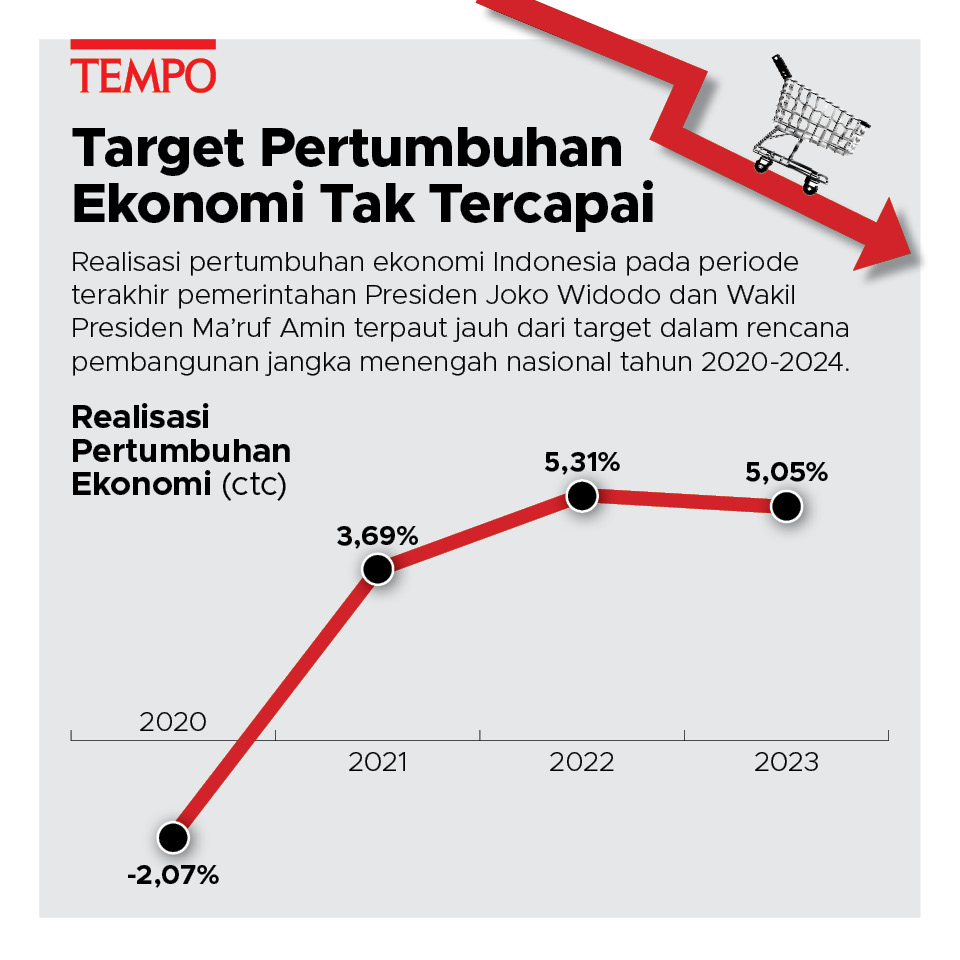
Minister Sri Mulyani noted that household consumption has been relatively stable since the pandemic. In the third quarter of 2022, it grew 4.9%, compared to 4.8% during the same period in 2023. She emphasized that this stability continues to underpin the nation’s growth trajectory.
Private sector investment has also shown robust performance, with foreign and domestic investment rising 18.5% and 11.6%, respectively, year-on-year. Export activities have benefited from industrial downstreaming initiatives and the recovery in tourism, as international visitor arrivals show positive trends.
Global institutions, including the International Monetary Fund (IMF) and the World Bank, have echoed the government’s projection, estimating Indonesia’s economic growth at 5% for 2024.
Concerns Over Slowing Consumption
Despite these positive indicators, experts have highlighted challenges that could hinder stronger growth. Piter Abdullah, Executive Director of the Segara Institute, warned that weakening household purchasing power may keep growth below expectations.
For example, household consumption grew 5.05% in the third quarter of 2023 but slowed to 4.9% in the first quarter of 2024, despite typically high spending during the general election and the Idul Fitri holiday season.
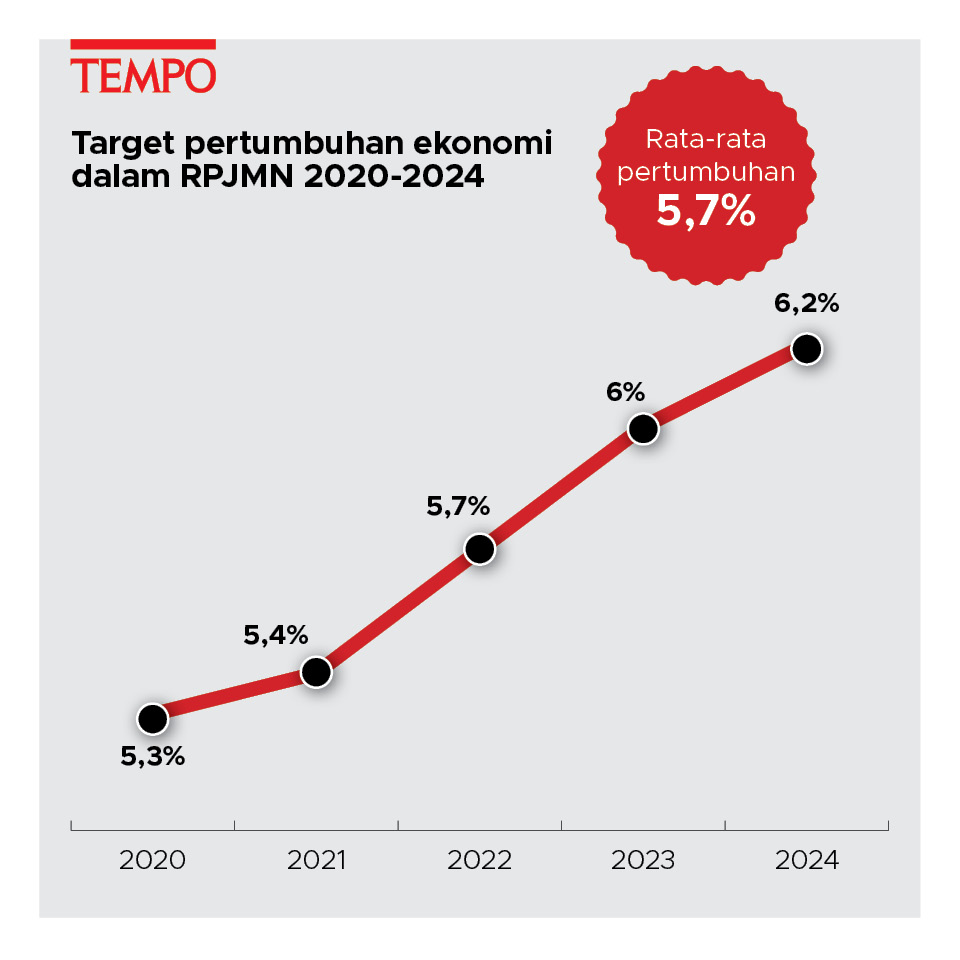
The new government of President Prabowo Subianto inaugurated on October 20, has faced hurdles in swiftly capitalizing on economic opportunities. Their expanded cabinet, comprising 48 ministries—up from the previous government’s 34—has slowed decision-making and policy implementation.
“Some ministries are still finalizing budgets, hiring staff, or even establishing office spaces,” Piter noted. “This lack of consolidation could delay the government’s ability to stimulate growth, especially during the crucial year-end period.”
Year-End Momentum and Policy Considerations
The final months of 2024 bring opportunities to boost economic performance, including the nation-wide simultaneous provincial, regional and municipal elections on November 27, holiday spending for Christmas and New Year’s, and increased government spending as the fiscal year closes.
Nailul Huda, Director at the Center of Economic and Law Studies, argued that these events could lift growth to 5.00–5.05%, provided inflation remains under control. Stable prices, he emphasized, are essential to sustaining purchasing power during this critical period.
At the same time, Mohammad Faisal, Executive Director at the Center of Reform on Economics, underscored the importance of consumer spending in maintaining growth. While household consumption remains a key driver, its slowing pace this year raises concerns. Bank Indonesia data show that third-party funds in the banking sector grew at a declining rate, from 8.45% in June to 7.01% in August 2024.
Faisal urged policymakers to avoid counterproductive fiscal measures that could burden households further. “The focus should remain on strengthening purchasing power,” he said.
Government Measures to Support Growth
Deputy Coordinating Minister for Macroeconomic and Financial Policy, Ferry Irawan, stated that the government is actively working to bolster household consumption and stimulate strategic sectors.
Initiatives include expanded social protection programs, tax incentives for housing and automotive sectors, and increased access to financing for small and medium-sized enterprises. The government is also accelerating state budget disbursements to drive growth in key areas.
Also Read: Op-Ed: Don’t Misuse Welfare For The Poor, Robertus Robet
Inflation Target
“We are committed to keeping inflation within the target range of 2.5% ± 1% to ensure economic stability,” Ferry said.
Looking Ahead
While Indonesia’s economic resilience has been evident in 2024, sustaining growth will depend on the government’s ability to address structural challenges and capitalize on year-end momentum. Analysts caution that without swift and coordinated action, the nation risks falling short of its growth target.
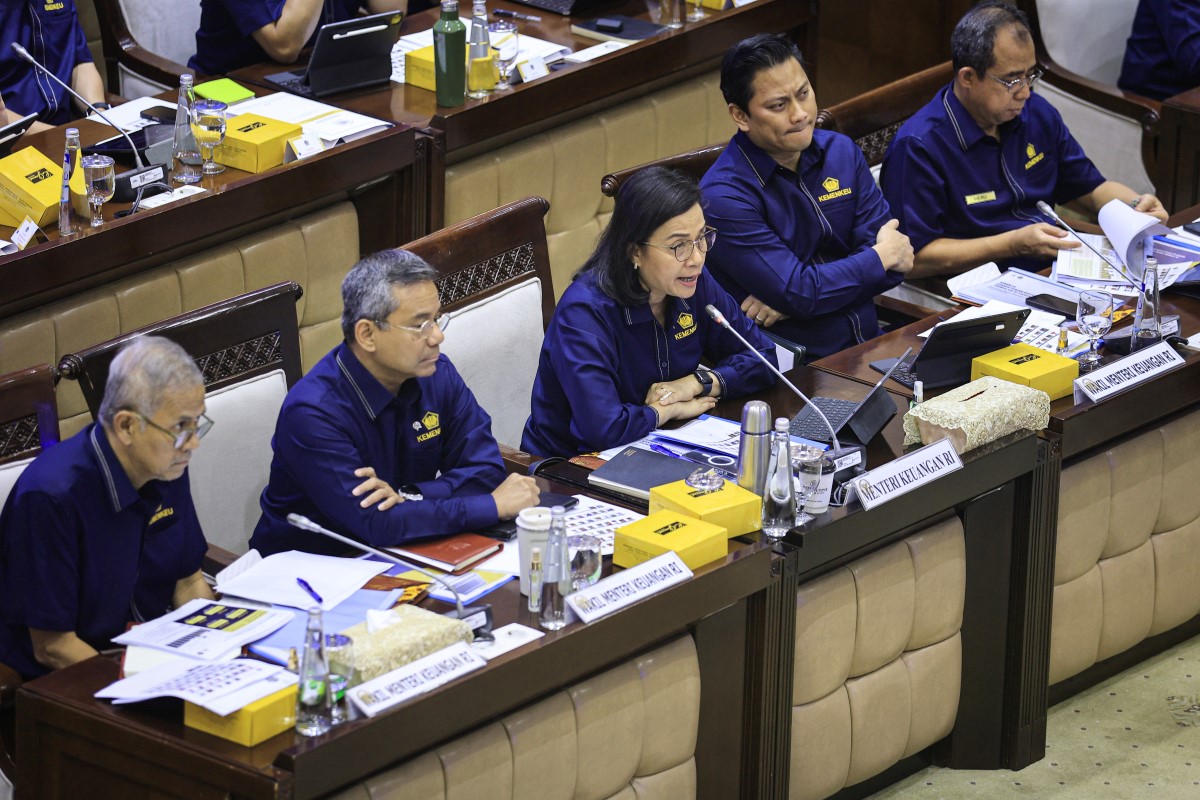
Indonesia’s Minister of Finance Sri Mulyani Indrawati (center) with Deputy Ministers of Finance Anggito Abimanyu (left), Suahasil Nazara (second left), Thomas A. M. Djiwandono (second right), and Secretary General Heru Pambudi (right), delivering a presentation at a working meeting with House of Representatives Commission XI at the House of Representatives complex, Senayan, Jakarta, November 13, 2024. ANTARA/Dhemas Reviyanto
This article is based on https://www.tempo.co/ekonomi/pertumbuhan-ekonomi-5-persen-1168622.
In related news:
- https://www.bloomberg.com/news/articles/2025-07-21/indonesia-s-prabowo-banks-on-80-000-red-white-co-ops-to-boost-rural-fortunes
- https://www.morningstar.com/news/dow-jones/202504233021/indonesias-central-bank-holds-amid-rupiah-wobbles-tariff-concerns-update
- https://www.kompas.com/tag/perry-warjiyo
- https://money.kompas.com/read/2025/04/23/214100326/dampak-tarif-trump-bi-pangkas-proyeksi-pertumbuhan-ekonomi-dunia-jadi-29
- http://www.chinaview.cn/20250423/130affa42caf4e01b094b26b006e4a5e/c.html


 Stories From Indonesia
Leave a Reply